RACE-DRIVEN F-27091 Rear Brake Rotor Disc
fits model: 330, Trail, Boss. make: Polaris. year: 2010–2013.
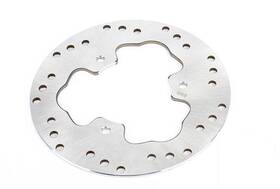
( Brand: Race-driven ), ( Manufacturer Part Number: F-27091 ), ( Part Type: Rotor Brake ), ( Material: Stainless Steel )
Review RACE DRIVEN Polaris Rear Brake Rotor Disc fits TRAIL BOSS 330 2010–2013
The **Race-Driven F-27091 2010 2013 Polaris 330 Trail Boss Rear Brake Rotor Disc** is a high-performance, precision-engineered braking component designed to elevate the stopping power and reliability of your Polaris 330 Trail Boss across the rugged terrain it was built to conquer. Crafted from **high-grade, heat-treated cast iron**, this rotor disc features a **dual-face design** with a **12.5-inch diameter**, ensuring optimal heat dissipation and consistent braking performance even under the most demanding off-road conditions. The **smooth, machined surface** and **thick, durable construction** minimize warping and maximize durability, allowing for extended use without compromising safety or responsiveness. Engineered to withstand the extreme forces generated during aggressive trail riding, this rotor is built to endure high-speed descents, hard braking, and prolonged exposure to dust, mud, and debris common challenges faced by trail enthusiasts pushing their machines to the limit. The **race-driven specification** means it has been optimized for performance, featuring a **thicker core** for better heat absorption and a **precision-balanced design** to reduce vibration and ensure a smooth, predictable stopping experience. Whether you're navigating steep climbs, technical singletrack, or high-speed jumps, this rotor disc delivers the **consistent, powerful braking** required to maintain control and confidence in every situation. Perfect for riders who demand nothing less than peak performance from their Polaris 330 Trail Boss, this aftermarket upgrade is a must-have for those seeking an edge in speed, safety, and durability on the trail.
### **Pros and Cons of Buying a Race-Driven Polaris 330 Trail Boss (2010 2013) with a Rear Disc Brake Rotor**
#### **Pros:**1. **Performance and Handling**
- The Race-Driven (RD) version of the Polaris 330 Trail Boss is tuned for better throttle response, power delivery, and overall agility compared to stock models. The engine modifications (such as revised camshafts, intake/exhaust tuning, and fueling adjustments) provide a more aggressive and responsive ride, making it ideal for trail riding, racing, or off-road performance.
- The disc brake rotor on the rear enhances stopping power, which is particularly useful for high-speed trail riding or technical terrain where precise control is needed.
2. **Modification Potential**
- The RD platform is designed with aftermarket compatibility in mind. Owners can easily upgrade components like suspension, exhaust, fueling, and electronics (e.g., ECU tuning, LED lighting, or advanced telemetry systems).
- The disc brake rotor allows for further upgrades, such as aftermarket brake pads, calipers, or even hydraulic brake systems for improved modulation and durability.
3. **Reliability (Compared to Stock)**
- Polaris RD models are generally well-built and designed to handle the stresses of aggressive riding. The engine and drivetrain components are often reinforced or upgraded from stock, reducing the risk of premature failure.
- The disc brake system is more durable than the stock drum brakes, especially in demanding conditions where heat and wear are concerns.
4. **Resale Value and Enthusiast Appeal**
- RD models hold value better than stock units among off-road enthusiasts, particularly in the aftermarket community. Buyers seeking a pre-modified, ready-to-ride machine may be willing to pay a premium.
- The disc brake rotor adds to the bike s appeal for those who prioritize braking performance, making it attractive to riders who frequent technical trails or race tracks.
5. **Legal and Practical Advantages**
- In some regions, RD models may be exempt from certain emissions or noise regulations that apply to stock bikes, depending on local laws. Always verify local regulations before purchasing.
- The disc brake rotor is a practical upgrade for riders who frequently carry heavy loads or ride in wet conditions, where drum brakes may struggle.
---
#### **Cons:**1. **Higher Cost**
- RD models are more expensive than stock versions, both in purchase price and maintenance. The disc brake rotor and other modifications add to the upfront cost, and specialized parts (e.g., RD-specific exhaust, fueling components) can be pricier than stock alternatives.
- Labor costs for maintenance or repairs may also be higher due to the complexity of the modifications.
2. **Maintenance Complexity**
- The RD engine and drivetrain require more frequent maintenance than stock units. Components like the fuel injection system, exhaust, and suspension may need tuning or replacement more often, depending on riding conditions.
- The disc brake rotor, while durable, requires regular inspection for warping, glazing, or wear. Brake pads and calipers may also need more attention than drum brakes, especially in dusty or muddy environments.
3. **Fuel Consumption**
- The RD tuning increases power output, which typically results in higher fuel consumption. Riders should budget for more frequent fill-ups, especially on long trips or heavy-duty use.
- The aggressive power delivery may also reduce fuel efficiency in stop-and-go situations or on technical terrain where throttle control is required.
4. **Weight and Ride Quality**
- RD models are often heavier than stock bikes due to reinforced components, exhaust systems, and additional hardware. This can affect maneuverability, especially in tight trails or rough terrain.
- The disc brake rotor adds weight to the rear wheel, which may slightly reduce agility. However, this is usually negligible compared to the benefits of improved braking.
5. **Potential for Overkill**
- If the buyer is primarily a casual rider or someone who doesn t frequently push the bike to its limits, the RD modifications may feel excessive. The extra power and braking capability might go unused, making the investment less justified.
- The disc brake rotor is a significant upgrade, but it may not be necessary for riders who mostly use the bike for light trail riding or commuting.
6. **Compatibility Issues**
- Some aftermarket parts designed for stock Polaris models may not fit or function correctly on RD units due to differences in frame, exhaust, or fueling systems. Buyers must research compatibility carefully.
- The RD platform may not be compatible with certain legal modifications (e.g., emissions systems) in regions with strict off-road regulations.
7. **Depreciation**
- While RD models hold value better than stock units, they may still depreciate over time, especially if newer models with updated technology are released. The bike s age (2010 2013) also means it is approaching the end of its lifespan in terms of parts availability and long-term reliability.
---
### **Ending Conclusion:**The **Race-Driven Polaris 330 Trail Boss (2010 2013) with a rear disc brake rotor** is an excellent choice for **enthusiasts who prioritize performance, handling, and braking capability** over fuel efficiency or casual riding. The RD tuning provides a noticeable boost in power and responsiveness, while the disc brake rotor significantly improves stopping power both of which are ideal for trail riding, racing, or aggressive off-road use. The bike s modification potential and reliability make it a strong investment for riders who plan to push their machine to its limits.
However, the **higher cost, maintenance demands, and potential overkill for casual riders** are significant drawbacks. Buyers should ensure they have the budget and expertise to handle the additional upkeep required by the RD platform. Additionally, the bike s age means that long-term reliability and parts availability may become concerns over time.
If you are an **active rider who values performance, braking, and the ability to further customize the bike**, this purchase is well-justified. If you are a **casual rider or someone who prefers a simpler, more fuel-efficient machine**, a stock or lightly modified Polaris may be a more practical choice.
---
### **Recommendation:** **Buy the Race-Driven Polaris 330 Trail Boss (2010 2013) with the rear disc brake rotor if:**- You are an experienced rider who frequently rides technical trails, races, or pushes the bike hard.
- You plan to invest in aftermarket upgrades and maintenance to keep the bike in top condition.
- You prioritize braking performance and throttle response over fuel economy.
- You are prepared for higher upfront costs and ongoing maintenance expenses.
**Avoid or reconsider if:**- You are a casual rider who mostly uses the bike for light trail riding or commuting.
- You are on a tight budget and cannot afford the extra costs of RD modifications and maintenance.
- You live in a region with strict off-road regulations that may limit the bike s legality or usability.
- You prefer a bike that is easier to maintain and less demanding on fuel.
**Final Verdict:** This is a **strong purchase for the right buyer** one who values performance and is willing to commit to the bike s needs. For everyone else, a stock or lightly modified Polaris may be a more balanced choice. Always inspect the bike thoroughly (engine condition, suspension, brakes, and frame) before purchasing to ensure it is in good working order.
Details:
2010 - 2013 POLARIS 330 TRAIL BOSS.
part #: f27091 price
- $54.95
specifications electricacompone:
- for models: 330, Trail, Boss
- for makes: Polaris
- for years: 2010-2013
- brand: Race-driven
- mpn: F-27091
- part type: Rotor Brake
- material: Stainless Steel
general electricacompone:
- ATV, Side-by-Side UTV Parts Accessories > Electrical Ignition Components > Other Electrical Ignition Components
- condition: New
offer electricacompone:
- options: Ship-to-home
- sold: 0
- started: April 26, 2026
- quantity: 10
- availability: In Stock
shipping electricacompone:
- class: Standard, Expedited
- type: Fixed
- transit: 4-7 Days
- service: USPS Ground Advantage, FedEx 2Day
- carrier: USPS, FedEx
- cost: $0.00
payments electricacompone:
- credit card: Visa
- wallet: Google-pay
- other
seller electricacompone:
- # reviews: 20454
- city: Escanaba, Michigan
- rating: 99.8%
returns electricacompone:
- policy: Returns Accepted
- paid by: Seller
- time: 30 Days
Race-driven F-27091 Is Similar To:
- Race-driven F-52984 1999 2004 Arctic Cat 250 2x4 Front Standard Brake Rotors (49.4% similar) 1999 - 2004 arctic cat 250 2X4 front standard brake rotors: brand new rotors. As brake pads wear numerous times, the rotors are going to take a beating and need be replaced. Standard rotors are designed to live up if not surpass oem standards...(January 21st, 2025)
- Race-driven L-12680 1999 2000 2001 2002 2003 Honda Trx250es Trx 250es Throttle Cable (53.6% similar) 1999 - 2003 Honda TRX250ES TRX 250ES...(January 30th, 2025)
- Race-driven F-26652 1998 1999 2000 2001 2002 Yamaha Yfs200 200 Blaster Blue Chain And Sprocket 12 41 (45.7% similar) 1 - 41 tooth steel rear sprocket. 1 - 12 tooth steel front sprocket. 1988 -2006 Yamaha YFS200 blaster. 1 - 520-92 blue chain tensile strength over 8200 lbs...(January 31st, 2025)
- Race-driven F-32652 1993 1994 1995 1996 1997 Yamaha Yfs200 200 Blaster Blue Chain And Sprocket 12 41 (35.9% similar) 1 - 520-92 blue chain tensile strength over 8200 lbs. 1 - 12 tooth steel front sprocket. 1988 -2006 Yamaha YFS200 blaster. 1 - 41 tooth steel rear sprocket...(January 31st, 2025)
- Race-driven M-22451 2004 2005 2006 2007 2008 Yamaha Raptor Yfm350 Front Riptide Brake Rotors X1 (53.6% similar) 2004-2013 Yamaha YFM350 raptor...(February 20th, 2025)
- Race-driven F-63740 2014 2015 2016 Can-am Maverick Xxc Dps 1000r 4x4 Front Brake Rotors Discs X2 (62.2% similar) Part #: Race-driven F-63740 for sale...(February 20th, 2025)
- Race-driven L-27534 Clutch Cable For Yamaha Yfz450 Atv 2004 2005 2006 2007 2008 2009 (31% similar) Part #: Race-driven L-27534 for sale...(February 23rd, 2025)
- Race-driven F-27373 1998 1999 2000 2001 2002 Yamaha Blaster 200 Yfs200 Rear Riptide Brake Rotor Disc (62% similar) Part #: Race-driven F-27373 for sale...(March 6th, 2025)
- Race-driven F-46690 2009 2010 2011 2012 2013 Yamaha Yfz450r Yfz450 38 Tooth Rear Black Sprocket (61.5% similar) Part #: Race-driven F-46690 for sale...(March 21st, 2025)
- Race-driven F-46687 2009 2010 2011 2012 2013 Yamaha Yfz450 Yfz 450 38 Tooth Rear Black Sprocket (61.5% similar) Part #: Race-driven F-46687 for sale...(April 4th, 2025)
- Race-driven F-12284 2010 2011 2012 2013 2014 Polaris Ranger 400 Brake Rotors Discs X2 (75.7% similar) 2010-2014 polaris ranger 400...(April 14th, 2025)
