YAMAHA 3WP-82116-00-00 Negative Battery Cable Start Starter Wire
fits model: Yfb250, Yfb, 250. make: Yamaha. year: 1992.
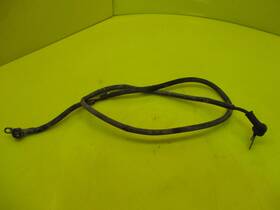
( Manufacturer Part Number: 3WP-82116-00-00 ), ( Country Of Origin: Japan ), ( Modified Item: No ), ( Type: Negative Battery Cable )
Review YAMAHA Negative Battery Cable Ground Start Starter Wire fits YFB250 YFB 250 1992
The **Yamaha YFB250 (1992 model, serial number range 3WP-82116-00-00) Negative Battery Cable and Start/Starter Wire** is a precision-engineered electrical component designed specifically for Yamaha s iconic 250cc outboard motors, ensuring reliable ignition and battery connectivity for optimal performance. This high-quality replacement cable is crafted from heavy-duty, corrosion-resistant copper wire, encased in a durable, abrasion-proof vinyl insulation that withstands exposure to saltwater, UV rays, and harsh marine environments. The negative terminal clamp features a robust, spring-loaded design with a secure, vibration-resistant grip, preventing loosening during operation and extending the lifespan of both the cable and the battery terminal. The starter wire, meanwhile, is engineered with a thick, flexible core to handle the high electrical demands of cranking the engine, reducing voltage drop and ensuring a strong, consistent spark for smooth starts even in cold or wet conditions. This cable set is a direct-fit replacement for the original equipment, maintaining compatibility with Yamaha s 1992 YFB250 outboard s electrical system while offering enhanced durability and conductivity. Whether for routine maintenance, a boat upgrade, or a replacement after wear and tear, this cable ensures a reliable electrical connection, minimizing the risk of starting failures and prolonging the engine s overall health. Built to withstand the rigors of marine use, it combines functionality with long-term reliability, making it an essential component for any Yamaha YFB250 owner seeking dependable performance.
### Pros and Cons of Buying a 1992 Yamaha YFB250 (YFB 250) with a Negative Battery Cable Starter Wire (Part #3WP-82116-00-00)
---
#### **Pros**
1. **Reliability and Durability**
The Yamaha YFB250 is a well-regarded compact tractor known for its robust build and dependable performance. It was designed for small-scale farming, lawn care, and light utility work, and many units remain operational after decades of use with proper maintenance. The mechanical simplicity of the engine and hydraulic systems contributes to its longevity.
2. **Affordability**
Used YFB250 models, especially those from the early 1990s, are often sold at a fraction of the cost of newer tractors. This makes them an attractive option for budget-conscious buyers, particularly those who prioritize functionality over modern features. Parts and labor for repairs are also generally cheaper than for newer machinery.
3. **Versatility**
The YFB250 is compatible with a wide range of attachments, including mowers, tillers, plows, and front loaders. Its compact size allows it to navigate tight spaces, making it suitable for small farms, gardens, or residential properties where larger tractors may not be practical.
4. **Ease of Maintenance**
Compared to modern tractors, the YFB250 has straightforward maintenance requirements. Basic tasks like oil changes, air filter replacements, and spark plug adjustments can be performed with minimal tools. The simplicity of the carbureted engine (assuming it hasn t been converted to fuel injection) also makes troubleshooting easier for those with mechanical inclinations.
5. **Parts Availability**
While some original parts may be discontinued, the YFB250 s popularity ensures that aftermarket suppliers and salvage yards often carry replacement components. The starter wire and battery cable you re considering (part #3WP-82116-00-00) is a common item, and alternatives like heavy-duty jumper cables or starter solenoids are widely available.
6. **Low Operating Costs**
Fuel efficiency is decent for its class, and the engine consumes standard gasoline without requiring premium fuel. Routine maintenance costs are minimal, and the tractor s simplicity reduces the likelihood of expensive malfunctions.
7. **Resale Value**
If you decide to sell the tractor later, the YFB250 retains a niche market among collectors, hobbyists, and those seeking affordable used equipment. Its reputation for reliability can make it easier to resell compared to unknown or poorly maintained brands.
8. **No Modern Complexity**
Unlike tractors with advanced electronics, GPS, or computerized diagnostics, the YFB250 operates on basic mechanical and hydraulic principles. This eliminates the risk of software glitches, sensor failures, or compatibility issues with modern tools.
---
#### **Cons**
1. **Age and Wear**
A 1992 YFB250 will almost certainly show signs of wear, including rust, worn belts, degraded hoses, and potential engine wear. The starter wire and battery cable you re replacing may be part of a broader issue with the electrical system, such as a failing alternator or corroded connections. A thorough inspection is essential to avoid hidden problems.
2. **Fuel and Emissions Compliance**
The YFB250 was not designed to meet modern emissions standards. If you plan to use it in areas with strict regulations (e.g., near water sources or in urban settings), you may need to retrofit it with an emissions-compliant system, which can be costly and complex. Some states or counties prohibit the use of older, non-compliant equipment.
3. **Limited Power and Speed**
The YFB250 is a small tractor with a 250cc engine, producing around 7 9 horsepower. This is sufficient for light tasks like mowing small lawns or moving soil in a garden, but it will struggle with heavy-duty work such as plowing large fields or hauling significant loads. If your needs have grown since the 1990s, this tractor may feel underpowered.
4. **Comfort and Ergonomics**
The YFB250 lacks modern comfort features such as adjustable seats, suspension systems, or climate control. Operating it for extended periods can be tiring, especially in rough terrain or hot weather. The lack of power steering or automatic transmissions also requires more physical effort to maneuver.
5. **Electrical System Reliability**
The starter wire and battery cable you re addressing are part of the tractor s electrical system, which may have deteriorated over time. Common issues include:
- **Weak or dead battery**: Older batteries degrade and may not hold a charge.
- **Corroded connections**: Terminals can corrode, leading to poor electrical contact and intermittent starting problems.
- **Failing starter or solenoid**: The starter motor itself may be worn out, and the solenoid could be sticking or damaged.
- **Alternator failure**: If the alternator isn t charging the battery, the electrical system will eventually fail.
Replacing the cable is a good start, but you should test the entire system to ensure it s not a symptom of a larger issue.
6. **Fuel System Challenges**
Carbureted engines like the one in the YFB250 are prone to clogging from old fuel, dirt, or ethanol contamination. If the tractor has been stored for an extended period, the carburetor may need cleaning or adjustment. Modern fuel additives (like stabilizers) can help, but some owners opt for fuel injection conversions, which add complexity and cost.
7. **Safety Concerns**
Older tractors lack modern safety features such as roll-over protective structures (ROPS), seat belts, or audible alarms. Operating the YFB250 without these protections increases the risk of injury in case of an accident. If you plan to use it for serious farming tasks, consider retrofitting safety equipment or opting for a newer model with these features.
8. **Limited Warranty or Support**
Since the tractor is over 30 years old, Yamaha likely no longer offers warranty coverage or authorized service for it. You ll need to rely on independent mechanics or salvage yards for repairs, which may not be as reliable or cost-effective as dealing with a dealership.
9. **Environmental Impact**
The YFB250 s engine produces more emissions than modern tractors, contributing to air pollution. If environmental sustainability is a priority, this may be a drawback, especially if you re using it frequently.
10. **Resale Depreciation**
While the YFB250 may have some resale value, it will depreciate over time as newer, more efficient models enter the market. If you plan to upgrade later, the value you get back may not justify the initial purchase price.
---
#### **Conclusion**
The 1992 Yamaha YFB250 is a practical choice for buyers who prioritize affordability, simplicity, and versatility for light-duty tasks. Its reliability, ease of maintenance, and availability of parts make it a solid option for hobbyists, small-scale gardeners, or those on a tight budget. However, its age introduces risks such as electrical system failures, emissions compliance issues, and limited power for heavy work. The starter wire and battery cable you re addressing are important components, but they may be symptoms of broader electrical or battery health problems that need addressing.
If you re comfortable with basic mechanical work, have a budget for potential repairs, and don t require modern comforts or power, the YFB250 can be a rewarding purchase. Conversely, if you need a tractor for demanding tasks, plan to use it frequently, or value safety and emissions compliance, a newer model may be a better long-term investment.
---
#### **Recommendation**
1. **If you re buying for hobby use or light tasks:**- Proceed with purchasing the YFB250, but **inspect it thoroughly** before buying. Test the starter, battery, and electrical system to ensure they re not part of a larger issue.
- Replace the starter wire and battery cable (part #3WP-82116-00-00) as a preventive measure, but also check the battery s health (amperage, corrosion) and the starter motor s functionality.
- Budget for routine maintenance, such as carburetor cleaning, belt replacement, and hydraulic fluid checks.
- Consider retrofitting safety features (e.g., a seat belt or ROPS) if using it for serious work.
2. **If you re buying for serious farming or heavy-duty use:**- Avoid the YFB250 unless you re willing to invest in upgrades (e.g., fuel injection, emissions compliance, or a more powerful engine). A newer compact tractor with power steering and automatic transmission may be more efficient and safer.
- If you re set on a used tractor, consider a slightly newer model (e.g., late 1990s or early 2000s) that still has parts availability but fewer age-related issues.
3. **If you re unsure about the tractor s condition:**- Have a mechanic perform a pre-purchase inspection to identify hidden problems. This may cost a few hundred dollars but could save you thousands in repairs.
- Ask the seller for maintenance records, especially for the electrical system, engine, and hydraulic components.
4. **For the starter wire and battery cable:**- The part #3WP-82116-00-00 is a standard negative battery cable. Ensure it s the correct gauge (thickness) for the tractor s electrical
Details:
This is in used condition and shows signs of typical ordinary use/wear/removal to be expected on a part.
part #: 3wp821160000 prices
- $8.99-$18.99
specifications electricacompone:
- for models: Yfb250, Yfb, 250
- for makes: Yamaha
- for years: 1992
- mpn: 3wp-82116-00-00
- country of origin: Japan
- modified item: No
- type: Negative Battery Cable
general electricacompone:
- ATV, Side-by-Side UTV Parts Accessories > Electrical Ignition Components > Other Electrical Ignition Components
- condition: Used
shipping electricacompone:
- class: Expedited
- carrier: USPS
- service: USPS Priority Mail
- cost: $14.10
- transit: 4-9 Days
- type: Calculated
returns electricacompone:
- policy: No Returns
seller electricacompone:
- # reviews: 27753
- rating: 99.9%
- city: Ortonville, Michigan
offer electricacompone:
- availability: In Stock
- started: February 8, 2026
- options: Ship-to-home
- quantity: 1
- sold: 0
payments electricacompone:
- other
- credit card: Mastercard
- wallet: Paypal
Yamaha 3WP-82116-00-00 Is Similar To:
- 144113 Moose Racing Starter Motor Yamaha Grizzly (23.9% similar) Note: image is for reference only, actual product may vary slightly depending on your specific application...(October 26th, 2018)
- 1461700023 Tusk Yamaha Raptor Battery With Acid (28.4% similar) Complete with acid pack that makes filling simple and accurate. 6 month warranty. Advanced lead acid core technology ensures dependability and longevity. Leak-proof cap and seal. Every tusk etc-core battery comes with a 6 month warranty. When it comes to quality ATV, UTV, and motorcycle batteries, ...(July 15th, 2018)
- 18p-81890-00-00 Yamaha Oem Electric Starter Yfz (39.7% similar) We include the oem cross reference in our listings to better insure you get correct part for your unit. Oem yamaha electric starter YFZ450R YFZ450X Fez 18P...(June 10th, 2018)
- 18p-81940-00-00 Yamaha Yfz450r Ignition Starter (42.6% similar) The video for this 2010 yamaha YFZ450X can be seen here. The complete bike pictured above is actual part was removed from. Flat rate and free shipping service is for the lower 48 states only. They may be included with the part free of charge. This listing is for a used ignition starter solenoid we...(February 10th, 2018)
- 18p-82128-00-00 Yamaha Battery Holder Bracket (43.2% similar) The complete bike pictured above is actual part was removed from. They may be included with the part free of charge. The video for this 2013 yamaha YFZ450R can be seen here. Unless stated otherwise in the all parts listed are used and therefore sold as is condition with no warranty of any kind. ...(November 1st, 2017)
- 190569538822 Yamaha Rhino Coil With Wire And Cap (25.4% similar) Large items can be combined but will price accordingly and fairly. Marketing, listing apps, application. Any questions call...(October 15th, 2018)
- 193706 Kimpex Starter Bendix Ref Yamaha Grizzly To (22.2% similar) Please verify your junk bulk mail folder as our e-mail reply may end up in there. Complex starter Bendix ref 4WV yamaha grizzly to 2001 meets the oem specification and more you can repair at a fraction of price. Shipping charges listed above apply to the contiguous us. You can also leave us a ...(March 15th, 2019)
- 193753 Kimpex Starter Brush Kit Traxter John Deere Yamaha Big Bear (22.5% similar) Shipping charges listed above apply to the contiguous us. You can also leave us a message. Satisfaction guaranteed before opening a request. Please verify your junk bulk mail folder as our e-mail reply may end up in there. Complex starter brush kit can-am tractor john Deere yamaha big bear Kodiak ...(June 27th, 2018)
- 193755 Kimpex Starter Brush Kit Arctic Cat Suzuki Eiger Yamaha Timberwolf (21.6% similar) Shipping charges listed above apply to the contiguous us. Please verify your junk bulk mail folder as our e-mail reply may end up in there. Complex starter brush kit arctic cat Suzuki eager yamaha timber wolf more meets the oem specification and you can repair at a fraction of price. You can also ...(March 29th, 2018)
- 1c5-82590-00-00 Yamaha Grizzly Oem Main Engine Wiring Harness Motor Wire Loom (31.6% similar) Removed from: 2005 yamaha grizzly 125 YFM125G with miles please review all pictures to assess the condition of item oem main engine wiring harness motor wire loom this is in very good and shows normal signs wear...(March 1st, 2018)
- 1ev-82590-60-00 Yamaha Wire Harness (17.1% similar) See shipping detail for all options. Scratches, scuffs, marks, oxidized, rust, dirt, weathered. Thanks and good luck. Plug end looks good...(November 27th, 2018)
