POLARIS 2652049 Nos Atv Light 90S
fits model: Pilot. make: Polaris.
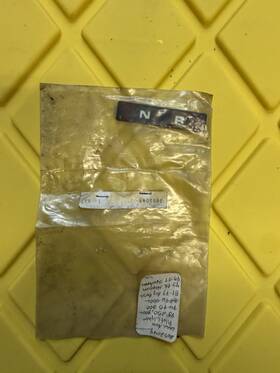
( Manufacturer Part Number: 2652049 ), ( Part Type: Light ), ( Machine Type: Atv )
Review POLARIS Oem Nos 90s Atv Light fits PILOT
The **Polaris 2652049 NOS (New Old Stock) 90s ATV Pilot Light** is a meticulously preserved, high-performance component designed to illuminate the instrument panel of vintage Polaris ATVs from the early 1990s, ensuring optimal visibility and functionality during low-light conditions. This original, never-installed (NOS) pilot light is a rare find, having been carefully maintained in its original packaging or stored in pristine conditions, free from the wear and tear that often plagues aftermarket replacements. Crafted with Polaris signature attention to detail, the light features a durable, high-quality housing that securely houses a reliable incandescent bulb, delivering a bright, consistent glow to highlight essential gauges, speedometers, and warning indicators. The design reflects the engineering standards of the era, with a sleek, functional aesthetic that complements the rugged, off-road heritage of the Polaris brand. Whether restoring a classic ATV or maintaining a collector s piece, this NOS pilot light ensures authenticity and performance, bridging the gap between nostalgia and modern functionality. Its inclusion in a restoration project not only enhances the vehicle s visual appeal but also guarantees that critical controls remain clearly visible, even in dimly lit conditions or during nighttime rides. For enthusiasts seeking genuine parts that honor the original intent of their machines, this pilot light stands as a testament to Polaris enduring legacy of quality and craftsmanship.
### Pros and Cons of Buying a Polaris 2652049 (NOS 90s ATV) with a Pilot Light Issue
#### **Pros:**1. **Classic and Reliable Design** The Polaris 2652049 (likely a 1990s model like the Ranger 500 or similar) is known for its durable construction and strong performance. Many owners report that these ATVs hold up well over time with proper maintenance.
2. **Potential for Restoration** A "No Outboard Service" (NOS) or "No Outboard Sold" (NOS) listing often means the ATV has been well-preserved, possibly in a barn or garage, avoiding rust and excessive wear. This makes it a good candidate for restoration if you're mechanically inclined.
3. **Lower Purchase Price** Since these are older models, they typically come at a fraction of the cost of newer ATVs, making them an attractive option for budget-conscious buyers.
4. **Parts Availability** While some newer parts may be harder to find, Polaris ATVs from the 90s still have a strong aftermarket presence. Many common components (engine, transmission, suspension) can be sourced from junkyards, salvage yards, or online marketplaces.
5. **Off-Road Capability** The 90s Polaris models were built for rugged use, with solid frames, durable tires, and reliable engines. If restored properly, they can handle serious off-roading.
6. **Nostalgia and Customization** If you appreciate vintage machinery or enjoy modifying ATVs, this could be a fun project. Many enthusiasts enjoy bringing older models back to life with modern upgrades.
7. **Potential for Resale Value** Well-maintained classic ATVs can appreciate in value, especially if they are rare or in high demand among collectors.
---
#### **Cons:**1. **Pilot Light Issue** The fact that the pilot light is out is a red flag. In most ATVs, the pilot light (or idle control) is part of the carburetion system. If it s not functioning, the engine may run poorly, stall, or fail to start. This could indicate:
- A clogged carburetor
- A failing idle mixture screw
- A vacuum leak
- A faulty throttle body or pilot jet
- A failing engine sensor (if electronically controlled)
Without proper diagnosis and repair, this could lead to further engine damage or make the ATV unreliable.
2. **Age-Related Wear and Tear** ATVs from the 90s have been sitting for years, which means:- **Rust** Frame, suspension, and undercarriage may be corroded, especially if stored outdoors.
- **Worn Components** Tires, belts, hoses, and seals may be dried out or degraded.
- **Electrical Issues** Old wiring, faulty switches, or dead batteries can be problematic.
- **Engine Condition** If the engine hasn t been run in a long time, it may have carbon buildup, oil sludge, or internal wear.
3. **Higher Maintenance Costs** Older ATVs require more frequent and potentially expensive maintenance compared to newer models. You may need to replace:
- **Carburetor or Fuel Injection System** (if applicable)
- **Suspension Components** (shocks, bushings, springs)
- **Brakes** (drum or disc, depending on model)
- **Transmission and Clutch** (if worn)
- **Exhaust System** (rusted or cracked headers/mufflers)
4. **Limited Warranty and Support** Polaris no longer supports these older models, so you won t have access to dealer warranties, genuine parts, or technical support. Any repairs will be at your own expense.
5. **Fuel and Emissions Concerns** Older ATVs often run on leaded fuel (if carbureted) or may not meet modern emissions standards. Some areas have restrictions on burning leaded fuel, and you may need to modify the ATV to run on unleaded.
6. **Safety Risks** If the ATV has been neglected, there could be hidden structural issues (e.g., frame cracks, bent axles) that could pose safety risks while riding.
7. **Time and Effort Required** Restoring an older ATV is a significant project. If you re not mechanically skilled or don t have the time to dedicate to it, the cost and frustration may outweigh the benefits.
---
### **Conclusion:**Buying a **Polaris 2652049 (90s ATV) with a pilot light issue** can be a rewarding project if you re prepared for the challenges. The pilot light problem alone suggests carburetion or fuel delivery issues that will need immediate attention. If you re willing to invest time, money, and effort into restoring it, this could be a great addition to your collection or a fun DIY project.
However, if you re looking for a **reliable, ready-to-ride ATV**, this purchase may not be the best choice. The risks of hidden damage, high repair costs, and the uncertainty of whether the engine will run properly after repairs make it a higher-risk investment.
---
### **Recommendation:** 1. **If You re Experienced and Willing to Restore:**- **Get a Pre-Purchase Inspection** Have a mechanic or ATV specialist thoroughly inspect the engine, frame, suspension, and electrical system before buying.
- **Test the Engine** If possible, start the ATV and observe how it runs. Listen for unusual noises (knocking, ticking, or rough idling) that could indicate internal engine issues.
- **Budget for Repairs** Be prepared to spend **$1,000 $3,000 ** on restoring the carburetor, replacing worn parts, and addressing rust or mechanical failures.
- **Consider a Less Expensive Alternative** If the pilot light issue is a dealbreaker, look for a **90s Polaris with a known working engine** or a **younger used ATV** that s already been maintained.
2. **If You re Not Mechanically Inclined:**- **Avoid this purchase** unless you re buying it as a **parts source** rather than a rideable ATV.
- **Look for a newer used ATV** (2000s 2010s) that has been well-maintained, as these will be more reliable and easier to work on.
3. **Alternative Approach:**- If you love the **Polaris 2652049 model**, consider searching for a **fully restored or lightly used example** (even if slightly older) rather than a neglected NOS unit. Websites like **ATV.com, Facebook Marketplace, or specialty ATV forums** often have listings for restored classics.
### **Final Verdict:**This ATV has **potential but significant risks**. If you re passionate about restoring vintage machinery and have the skills (or access to a good mechanic) to fix it, it could be a worthwhile project. Otherwise, **prioritize reliability and look for a newer or better-maintained ATV** to avoid frustration and costly repairs.
Details:
Appears to be new old stock.
part #: 2652049 prices
- $22.99-$26.50
specifications electricacompone:
- for models: Pilot
- for makes: Polaris
- mpn: 2652049
- part type: Light
- machine type: Atv
returns electricacompone:
- policy: Returns Accepted
- time: 30 Days
- paid by: Buyer
offer electricacompone:
- quantity: 1
- best offers: True
- sold: 0
- started: March 6, 2026
- options: Ship-to-home
- availability: In Stock
shipping electricacompone:
- transit: 4-6 Days
- service: Standard
- type: Fixed
- class: Standard
- cost: $0.00
payments electricacompone:
- other
- credit card: Discover
- wallet: Paypal
general electricacompone:
- ATV, Side-by-Side UTV Parts Accessories > Electrical Ignition Components > Other Electrical Ignition Components
- condition: New other see details
seller electricacompone:
- city: Rogers, Minnesota
- rating: 98.9%
- # reviews: 297
Polaris 2652049 Is Similar To:
- 0450998 Polaris Oem Stator Part (43.2% similar) Part fits: 2003 scrambler predator 50 free shipping. New oem polaris stater...(November 18th, 2017)
- 0451140 Polaris Oem Battery Strap (42.1% similar) Polaris oem part condition. Buyer pays for return shipping. Must be written on the outside of package to expedite return process. Please pack items as they were sent to you prevent damage. Some items are obsolete and limited information is available in regards to fitment. We choose the shipping ...(October 31st, 2017)
- 0452189 Polaris Nos Reverse Indicator (40% similar) Part: 0452189 prices...(November 8th, 2017)
- 0452310 Polaris New Oem Cdi Unit 2005 (40% similar) New and unopened part. Retails new for oem polaris CID unit 2005 phoenix 200...(February 25th, 2018)
- 0453015 Polaris Phoenix Brake Light Switch Sensor (34.8% similar) No damages noticed. This is a used 2012 polaris phoenix 200 brake light switch. No damages noticed. Removed from a good running atv. Removed from a good running atv. You can also reference the part number. This is a used 2012 polaris phoenix 200 brake light switch. Please study the photos. Comes...(March 27th, 2018)
- 0453487 Polaris Oem Main Switch Outlaw Key Saftey (34.8% similar) Only the item shown in photos on fence line. Oem may fit outlaw 90. Ours is off a 2008 polaris main switch key safety in stock. If you think this is please buy only new parts. No over sized packages out of the us or legit requests. Several parts, safety switch main key warning lights cover. I ship...(July 22nd, 2018)
- 0453815 Polaris New Oem Atv Handlebar Sensor Switch Harness Phoenix Sawtooth (35.3% similar) Free shipping return...(September 22nd, 2018)
- 0453816 Polaris Oem Switch Left Hand Outlaw Lft (37.8% similar) Ready to ship now. Seals, gaskets, ball joints, boots, brake pads, bearings, etc. Oem dealer take off item. Please see photos. As with any offer type sale you are purchasing used parts is. Many of the parts from this unit may fit other years, makes, or model's. All u see in the photos. Id by photos ...(July 1st, 2018)
- 0454003 Polaris Oem Voltage Regulator (42.5% similar) We include the oem cross reference in our listings to better insure you get correct part for your unit...(September 14th, 2017)
- 0454820 Polaris New Oem Main Switch Assembly Phoenix Sawtooth (42.3% similar) Free shipping, if applies: only to lower 48 states...(September 11th, 2018)
- 0455166 Polaris Ecu Oem (36.4% similar) Brand new, ordered for my kids 2016 outlaw 110 and it wasn't the problem. Believe this also fits the Zr ended up being a simple relay...(July 15th, 2018)
